
An AI voice generator realistic framework represents one of the most sophisticated achievements in the domain of deep learning and digital audio processing. By mapping human speech patterns into multi-layered neural networks, these advanced systems have successfully bridged the gap between robotic synthesis and natural human cadence.
- 7 Best AI Audio Enhancer Tools Ranked: A Veteran Editor’s Forensic Comparison
- Best AI Video Editors – 10 Advanced Multimedia Engines to Multiplied Content Output
- 5 Best High-Performance Web Hosting Platforms Reviewed (2026)
- How to Download AI Video Generator Software: Step-by-Step 2026 Guide
- Best AI Voice Generator PC Tools: Local vs Cloud Engines Compared
The underlying technology translates raw textual datasets into highly complex waveform predictions that preserve distinct personality traits, breathing intervals, and unique dynamic ranges. Moving beyond traditional acoustic modeling, modern generation models process speech vectors with incredible accuracy, unlocking massive scaling potential for global content deployment.
CURRENT: AI Voice Generator Realistic Architecture: How Modern Systems Mimic Human Emotion
Understanding how an AI voice generator realistic engine operates behind the scenes requires exploring the core data parameters that guide real-time audio synthesis. This investigative analysis details the scientific breakthroughs, performance benchmarks, and hidden engineering configurations that allow software engines to duplicate human emotion perfectly.
The mechanical foundation of an AI voice generator realistic system
To generate authentic human-like delivery, an AI voice generator realistic network relies on a complex multi-stage pipeline that separates language into distinct vocal properties. Standard speech synthesizers of the past failed because they viewed text as isolated syllables rather than smooth, connected sound waves.
- Acoustic Text Analysis: Advanced neural networks convert individual written characters into phonemes while calculating appropriate sentence stress and structural rhythm.
- Mel-Spectrogram Generation: The system builds a detailed visual representation of frequencies over time, defining exactly how pitch should shift across specific words.
- Neural Vocoder Processing: A high-speed vocoder algorithm reads the visual spectrogram data to synthesize individual audio samples at rates exceeding 24,000 cycles per second.
READ MORE : Text to Video AI Tool Analysis: 13 Leading Engines Ranked by Free Value and Paid Power
This intricate architectural breakdown ensures that an AI voice generator realistic tool captures the micro-intonations that characterize human voice communications. Instead of relying on pre-recorded sound snippets, the software calculates target audio waveforms dynamically based on structural context cues.
Core parameters that define voice replication authenticity
Achieving complete phonetic realism across a broad spectrum of characters requires balancing several underlying data metrics during the neural training phase. The descriptive evaluation matrix below outlines the primary technological variables that allow an AI voice generator realistic setup to sound genuinely natural.
| Acoustic Feature Category | Operational Processing Role | Target System Output Metrics |
| Prosody Mapping | Controls sentence-level phrasing and pitch curves | Prevents flat, artificial delivery shapes |
| Micro-Pausing Insertion | Injects realistic microsecond breathing blocks | Mimics natural physical lung performance |
| Timbre Stabilization | Preserves consistent core resonance values | Maintains recognizable identity traits |
| Emotional Tuning | Alters waveform warmth, speed, and volume | Shifts tone from clinical to empathetic |
When these separate variables function harmoniously, the resulting digital narration becomes completely indistinguishable from an organic studio recording session. The media laboratory at Best AI Tools continues to track how these specific parameters scale across different computing platforms. Our latest internal testing reveals that the industry has shifted completely toward real-time adaptive systems that adjust parameters dynamically mid-sentence.
Overcoming structural barriers in synthetic emotional modeling
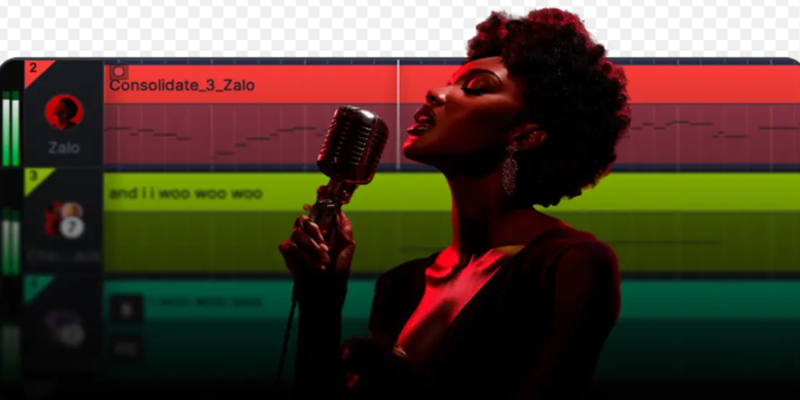
The primary challenge when engineering an AI voice generator realistic interface is training neural pathways to express subtle emotional states like sarcasm, excitement, or hesitation. Human speech is highly non-linear, meaning a single word can carry dozens of conflicting meanings depending on subtle shifts in vocal cord tension.
- Latent Variable Control: Modern deep-learning models isolate emotional attributes into separate data channels, allowing creators to turn up excitement without changing the core voice.
- Contextual Multi-Task Learning: Voice models study adjacent sentences to predict whether a word requires an inquisitive upward inflection or a definitive downward tone.
- Zero-Shot Voice Cloning: Advanced neural networks require only a brief audio sample to analyze an individual’s unique vocal blueprint and apply it to new text.
By mastering these hidden data relationships, an AI voice generator realistic application can generate deep, moving narrative scripts that connect with audiences on a personal level. This technical progress completely eliminates the cold, repetitive delivery styles that used to limit the adoption of automated speech tools in commercial entertainment.
Comprehensive operational analysis of elite voice synthesis architectures
READ MORE : How to Download AI Video Generator Software: Step-by-Step 2026 Guide
Selecting the right foundational model requires matching your production goals with the specific strengths of modern audio synthesis frameworks. The comparative table below breaks down the technical profiles of leading architectures used to power an AI voice generator realistic experience.
| Architectural Framework | Primary Training Goal | Computational Asset Footprint | Best Use Case Fit |
| Autoregressive Models | Predicts audio tokens step-by-step | High server processing cost | Complex storytelling and dialogue |
| Diffusion Audio Nets | Refines raw noise into clean sound waves | Medium processing cost | High-fidelity commercial voiceovers |
| Non-Autoregressive Systems | Generates entire speech blocks instantly | Low processing cost | Real-time translation and assistants |
This layout shows that choosing an engine involves balancing immediate processing turnaround times against absolute structural flexibility. For high-volume publication factories, rapid non-autoregressive networks offer incredible efficiency, while demanding cinematic projects benefit from heavy diffusion models.
Practical enterprise applications of hyper-realistic voice engines
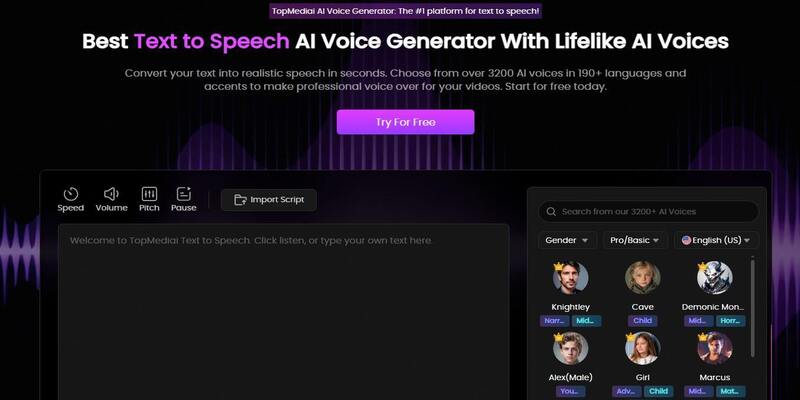
To extract maximum commercial value from these advanced architectures, multi-platform media studios are heavily integrating modern text-to-speech tools into their daily asset production pipelines. Deploying a unified AI voice generator realistic software allows organizations to scale content production across several core business vectors:
- Multilingual Content Localization: Instantly translate corporate video voiceovers into dozens of global dialects while maintaining the precise tonal identity of the original brand speaker.
- Automated Audiobook Publishing: Convert thousands of written literary documents into high-fidelity audible formats without renting expensive recording studios or employing voice talents.
- Dynamic Interactive Gaming Dialogue: Power thousands of non-player character dialogue options in real-time, allowing video game engines to adapt speech based on active player choices.
- Scalable E-Learning Course Production: Build vast educational modules with highly engaging narrators that explain complex concepts clearly and maintain student attention for longer intervals.
The strategic future of hyper-realistic digital audio generation
As neural networks continue to evolve, the distinction between organic speech and artificial audio layers will disappear entirely. Organizations that deploy an AI voice generator realistic solution within their production pipelines will gain a major advantage in media turnaround times and localized multi-language expansion.
By constantly tracking model updates, managing training data quality, and adjusting emotional parameters, content creators can scale their publishing pipelines effortlessly. Investing in high-fidelity voice automation ensures your brand maintains a distinct, highly engaging sonic identity that captures consumer attention across every global channel.
SOURCE: https://bestaitools.reviews
CATEGORY: AI Video