
AI tool comparisons help both corporate copywriters and visual artists identify the precise software ecosystems that align with their operational needs. Creative professionals, digital agencies, and modern marketing teams are constantly searching for ways to scale their production without sacrificing brand integrity. Rather than relying on generic marketing hype, evaluating specific features side by side ensures that teams select tools capable of producing high-converting text and stunning visual assets.
Navigating the crowded marketplace of automated generation platforms can quickly become a confusing, time-consuming task for creative teams. Reading objective software assessments on professional testing platforms like Best AI Tools enables creators to spot hidden platform weaknesses before investing in costly annual subscriptions. This guide provides an authentic, feature-by-feature breakdown of the leading applications designed to streamline modern writing and graphic workflows.
CURRENT: 11 Feature-by-Feature AI Tool Comparisons for Copywriting and Design Software

Discover 11 Core Performance Benchmarks to Evaluate Production Engines
Analyzing modern automated tools requires looking past simple user interfaces to evaluate how these systems handle real-world generation stress. When conducting rigorous AI tool comparisons, creative professionals should focus on these 11 structural feature benchmarks to measure overall software utility:
- Brand Voice Integration Depth: Assess whether the platform can analyze your existing content logs to replicate a highly customized corporate tone.
- Long-Form Coherence Preservation: Measure the software’s ability to maintain a consistent narrative structure over documents exceeding 1,500 words.
- Native Search Engine Optimization Scoring: Check if the application builds in real-time keyword grading and competitive analysis metrics.
- Bulk Variation Generation Speed: Evaluate how quickly the engine can produce dozens of distinct ad headline variations for A/B testing.
- Prompt Modification Flexibility: Test how responsively the system adjusts its output when you inject detailed, multi-step instructional updates.
- Visual Asset Resolution Quality: Inspect the clarity, pixel density, and background lighting accuracy of generated corporate imagery.
- Vector File Export Availability: Verify if design platforms allow users to export graphics as fully scalable layers for print production.
- Consistent Character Rendering Controls: Look for advanced seed-locking features that keep a human model identical across multiple generated scenes.
- Third-Party Platform API Connectivity: Determine how easily the generation engine plugs into existing tools like Google Docs, HubSpot, or Slack.
- Negative Constraint Handling Accuracy: Review how reliably the visual or text application excludes forbidden elements listed in your instructions.
- Team Workspace Collaboration Features: Evaluate the ease of sharing prompt libraries, style sheets, and asset folders across corporate departments.
Highly Detailed, Realistic AI Tool Comparisons in Active Creative Workflows
READ MORE : ChatGPT vs Claude 2026: 4 Concrete Reasons to Switch Your AI Assistant
Moving beyond surface-level reviews requires looking at how specialized software handles specific creative tasks under tight deadlines. This analytical breakdown explores the practical operational reality of the top platforms currently dominating the creative marketing industry.
Raw Foundation Models vs. Scaffolding Platforms
A major distinction highlighted in modern AI tool comparisons is the performance gap between raw foundation models and specialized wrapper tools. Raw engines like Claude and ChatGPT offer immense prompt flexibility and unmatched structural reasoning, making them the preferred choice for advanced practitioners who write precise custom prompts. Conversely, platforms like Jasper and Copy.ai add a helpful layer of pre-built templates and brand guidelines, which reduces friction for non-technical office teams.

Visual Generation Consistency Realities
In the design landscape, running focused AI tool comparisons reveals that the separation between platforms comes down to prompt complexity and final rendering control. Midjourney consistently leads the market in sheer artistic quality and realistic lighting textures, yet it requires users to operate inside chat interfaces with complex parameters. Meanwhile, integrated suites like Canva and Picsart sacrifice raw stylistic depth in favor of approachable, point-and-click layouts that let beginners edit assets instantly.
Financial Investment Frameworks for Copywriting and Design Software
Budget allocations for automated software require balancing initial monthly pricing tiers against the specific output limits uncovered during your AI tool comparisons. When planning your team subscription model, keeping detailed financial records of recurring software overhead protects your monthly operational profit.
Software Pricing for Copywriters and Content Marketers
| Copywriting Platform Name | Base Monthly Price Plan | Primary Feature Limits |
| ChatGPT Plus | $20 per month | High access to flagship models during normal peak usage hours. |
| Jasper AI | $69 per month | Includes 2 brand voice memories and standard marketing templates. |
| Copy.ai (Chat) | $29 per month | Includes unlimited words in chat for up to 5 user seats. |
Software Pricing for Graphic Designers and Visual Artists
| Design Platform Name | Base Monthly Price Plan | Primary Feature Limits |
| Midjourney | $10 per month | Restricts users to basic image generation processing times per month. |
| Canva Pro | $15 per month | Grants full access to premium brand kits and automated background removal tools. |
Selecting Your Optimal Automated Production Workspace Based on Specific Roles
READ MORE : Midjourney vs DALL-E: 3 Critical Quality Differences in 2026
Choosing the right application bundle depends entirely on your daily production goals and your comfort level with prompt engineering. For text-focused specialists, platforms that offer deep SEO connectivity and flexible long-form text editing yield the highest professional return. For visual artists, selecting tools that preserve resolution clarity and allow precise layer adjustments remains vital for commercial success.
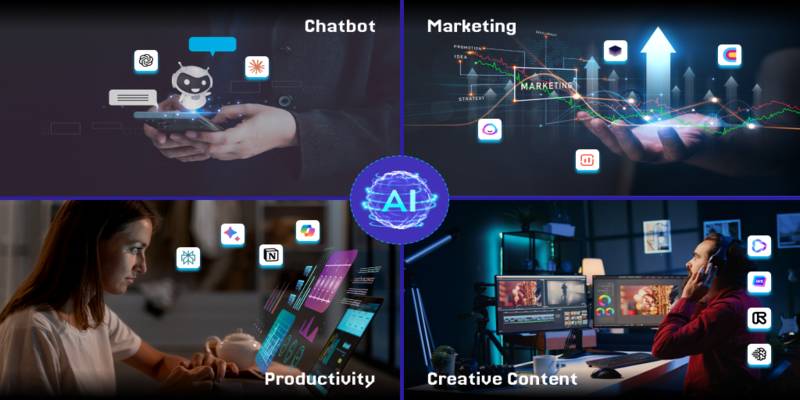
Reviewing objective AI tool comparisons helps teams build highly specialized software combinations that eliminate manual administrative chores completely. By matching your daily operational needs with the correct software tiers, you build a dependable, scalable digital pipeline that keeps your brand highly competitive.
Operational Testing Methods for Conducting Unbiased AI Tool Comparisons
Building a long-term production pipeline requires a repeatable testing structure to measure software outputs accurately over time. When your agency develops internal AI tool comparisons, applying these practical testing methods will help you identify weak software performance and select the ideal subscription tier:
- Run Identical Multi-Step Prompt Strings: Input the exact same background context, reference metrics, and style sheets into both writing tools to see which model retains formatting instructions best.
- Conduct High-Resolution Lighting Visual Audits: Generate identical image prompts across your design platforms to examine skin textures, structural background details, and font placements objectively.
- Track Processing Latency Under Heavy Loads: Measure the exact generation time during busy office hours to ensure your chosen software keeps your marketing calendars moving.
Consistently documenting these specialized feature metrics allows your internal marketing departments to bypass confusing promotional hype completely. Ultimately, executing balanced AI tool comparisons protects your operational cash flow while ensuring your active production teams work with the sharpest creative assets available.
SOURCE: https://bestaitools.reviews
CATEGORY: AI Comparison