
AI meeting assistants are rapidly transforming how corporate enterprises capture, synthesize, and execute corporate knowledge. Traditional corporate workshops and syncs consume billions of dollars annually in lost productivity due to poor note-taking, fragmented focus, and administrative friction. Elite organizations are abandoning legacy manual documentation strategies in favor of automated cognitive systems that listen, understand, and interpret human conversation with unmatched precision. By offloading structural bookkeeping tasks to intelligent algorithms, modern teams can concentrate entirely on active strategic collaboration.
- Top AI Automation Tools – 11 Scale-Ready Cost Frameworks for Digital Operations
- AI Chatbots for Website: A Step-by-Step Integration Guide to Automating 80% of Inbound Leaks
- Media Editor’s Choice: The Best AI Tools for Business This Year
- 9 Core AI Productivity Tools 2026 – Performance & Cost ROI Analysis
As machine learning algorithms advance, the boundaries of voice processing and video analysis continue to expand. Today, monitoring the best AI meeting assistants ensures your team builds a permanent, searchable database of corporate intelligence rather than letting critical verbal agreements disappear into thin air. This specialized guide breaks down the architecture, deployment metrics, and advanced techniques required to maximize your team’s operational returns.
CURRENT: AI Meeting Assistants for Elite Teams: Stop Wasting Billions on Inefficient Meetings
Navigating the Multi-Trillion Dollar Meeting Problem with AI Meeting Assistants
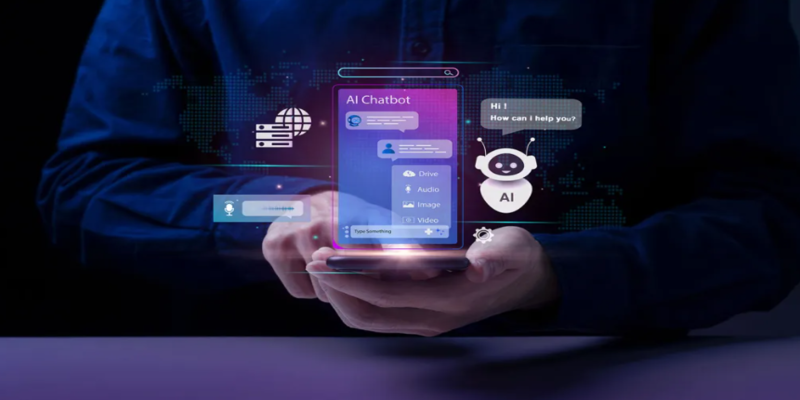
Modern corporate ecosystems face severe financial leakages due to unorganized and poorly managed executive syncs. Deploying premium AI meeting assistants provides an immediate structural solution to this ongoing administrative crisis. Rather than forcing a dedicated team member to act as a passive scribe, these intelligent software agents actively process real-time multi-speaker audio feeds.
- Elimination of Human Bias: Automated agents capture exact statements without subjective filtering, protecting original contextual intent.
- Instant Actionable Deliverables: Structured action items, project task assignments, and delivery deadlines are isolated within seconds of a call concluding.
- Asynchronous Alignment: Team members who skip non-essential syncs can quickly read an accurate summary without losing organizational context.
By analyzing industry benchmarks on performance evaluation platforms like Best AI Tools, executive teams can discover software options designed explicitly for high-growth corporate environments. Shifting your communication infrastructure toward automation guarantees a monumental leap in daily execution speed and organizational clarity.
Technical Architecture and Core Capabilities of Premier AI Meeting Assistants
READ MORE : Top AI Automation Tools – 11 Scale-Ready Cost Frameworks for Digital Operations
Understanding the differences between basic transcription scripts and advanced corporate assistants requires looking deeply at underlying algorithmic structures. Modern AI meeting assistants integrate multi-layered software mechanisms to transform chaotic, natural human discussions into clean corporate intelligence.
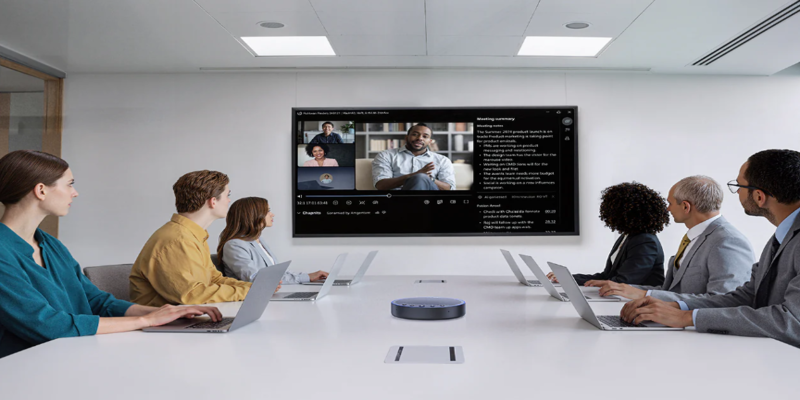
- Advanced Speaker Diarization: High-fidelity audio engines separate distinct voice frequencies, ensuring every spoken sentence is accurately attributed to the correct human speaker.
- Multimodal Video Analysis: Top-tier platforms monitor video feeds, noting screen-sharing visual transitions, visual slide presentations, and visible team reactions.
- Semantic Natural Language Processing: Cognitive processing layers look past vocal filler words to isolate the core logical meaning behind executive monologues.
- Dynamic Integrations: Enterprise-grade tools connect seamlessly with project software like Jira, Notion, Asana, and internal database systems.
When these components operate concurrently, the software creates a holistic, searchable asset from every conversation. This deep technical foundation separates standard software packages from enterprise-grade intelligence frameworks.
Strategic Comparison Framework: Isolating the Absolute Best Software Options
Selecting a long-term enterprise solution requires evaluating specific performance criteria rather than relying on surface-level marketing materials. High-performing teams analyze security compliance, language processing speed, and platform flexibility before making long-term financial commitments to specific AI meeting assistants.
| Operational Metric | Minimum Standard for Elite Teams | Strategic Impact on Enterprise Workflows |
| Transcription Accuracy Rate | Greater than 95% across diverse accents. | Eliminates manual correction hours and data errors. |
| Data Governance & Privacy | SOC 2 Type II, GDPR compliance, and custom encryption keys. | Protects highly confidential enterprise intellectual property. |
| Real-Time Insight Processing | Live note-taking with low-latency delivery. | Enables immediate action-item updates during active sessions. |
| Custom Vocabulary Training | Ability to ingest company-specific product codes and industry slang. | Prevents contextual hallucinations in technical environments. |
A premium infrastructure balancing these core capabilities significantly improves corporate decision-making. Software options that prioritize rigid data privacy protocols alongside high linguistic accuracy naturally outperform cheaper, consumer-grade open-source tools.
Pro Tips and Prompting Tricks for Maximizing Intelligence Tools
READ MORE : 9 Core AI Productivity Tools 2026 – Performance & Cost ROI Analysis
Unlocking the hidden capabilities of advanced AI meeting assistants depends heavily on how effectively you structure your administrative configurations. Even the most powerful models demand careful prompt customization and semantic guardrails to generate hyper-accurate, contextual documentation.
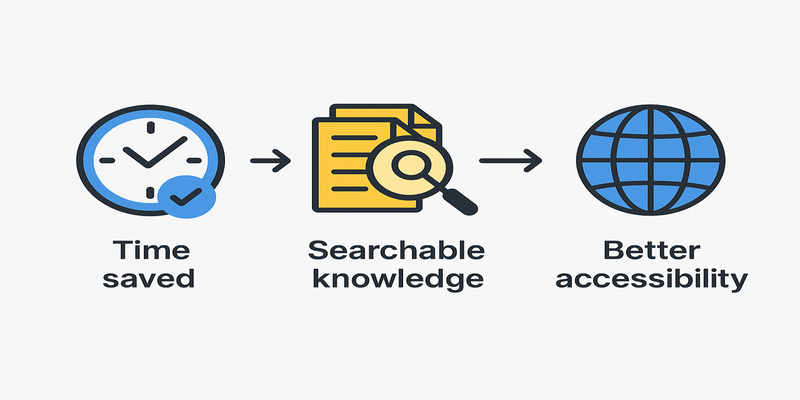
- Inject Pre-Meeting Context Packages: Always upload meeting agendas, historical project briefs, and key participant profiles into your tool before the session starts. This gives the underlying algorithm a precise structural map to reference during complex conversations.
- Deploy Custom Semantic Summarization Prompts: Customize your tool’s backend dashboard using specific, role-based behavioral instructions. For example, instruct the system to format summaries exactly like an agile project manager, focusing on dependencies and blockers.
- Build Automated Workflow Trigger Triggers: Establish automated conditional chains where post-meeting action lists immediately trigger automated ticket creation in your development tracking portals. This removes manual data input entirely from the execution cycle.
- Train Models on Proprietary Lexicons: Spend time uploading your internal glossary, technical shorthand, and specific client names into the platform’s custom dictionary. This simple step eliminates persistent misspellings and contextual misunderstandings.
Mastering these configuration strategies transforms your transcription software into an active operational partner. Teams that implement these techniques save massive editing time and see instant clarity improvements.
Overcoming Implementation Hurdles When Adopting Intelligent Software
Deploying new software into a legacy environment often triggers unexpected operational friction and user resistance. When organizations transition to high-performance AI meeting assistants, standardizing user behavior is critical to ensure high data accuracy. Many employees initially view these automated agents with hesitation regarding data privacy and surveillance.
To smooth out this transition, leaders should establish clear internal compliance protocols that explain exactly how data is processed. Introducing automated transcription software helps reduce anxiety by proving how much manual labor is instantly removed from everyone’s daily routine. Over time, teams begin to rely heavily on real-time note-taking features to run better sessions.
Furthermore, integrating AI meeting assistants drastically elevates overall workspace productivity by reducing the need for follow-up syncs. When selecting modern corporate communication tools, ensuring compatibility with your current tech stack prevents software fragmentation. Finally, combining these systems with smart agenda tracking ensures that every corporate roadmap remains fully aligned with actual team conversations.
SOURCE: https://bestaitools.reviews
CATEGORY: Productivity