
AI chatbots for website frameworks are changing how companies capture incoming leads by eliminating conversion friction. Legacy chat widgets that rely on static, rule-based branching logic often fail because they cannot interpret complex, unstructured human inquiries. This comprehensive operational blueprint walks enterprise teams through the exact selection criteria and systematic implementation phases needed to maximize pipeline yield.
By reviewing technical evaluations on dedicated software auditing platforms like Best AI Tools, operation managers can select communication tools optimized for their exact traffic demands. Utilizing these cognitive processing systems converts cold traffic into highly structured lead profiles while radically lowering active customer service overhead.
CURRENT: AI Chatbots for Website: A Step-by-Step Integration Guide to Automating 80% of Inbound Leaks
Advanced Selection Criteria for Elite AI Chatbots for Website Frameworks
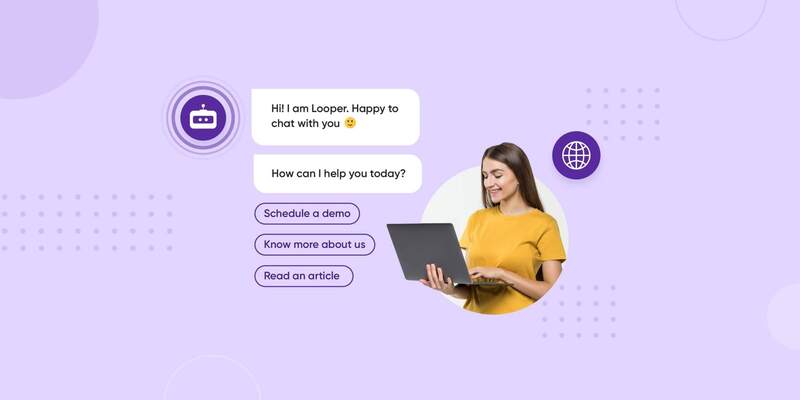
Isolating high-performance AI chatbots for website deployment requires analyzing underlying system capabilities rather than depending on standard market descriptions. Software architects must evaluate several technical layers before embedding any software agent directly into their public digital properties.
- Contextual Vector Database Synchronicity: The chosen system must natively integrate with private knowledge bases to deliver accurate responses without expensive model hallucinations.
- Dynamic Intent Recognition: Advanced natural language processing models isolate the exact intent behind conversational messages, ignoring minor typing errors or diverse colloquialisms.
- Secure Omni-Channel API Infrastructure: Enterprise architectures demand smooth database syncing options that push captured user variables straight to internal CRM pipelines.
- Granular Security and Access Guardrails: Top-tier conversation engines offer robust data encryption and absolute adherence to strict corporate data processing protocols.
Prioritizing these structural parameters prevents deployment failures and reduces ongoing engineering adjustments. Selecting a software system that balances ease of configuration with heavy technical customization ensures immediate operational returns.
A Systematic Blueprint for Embedding AI Chatbots for Website Platforms
Successfully deploying AI chatbots for website setups demands an organized, step-by-step roadmap that prepares corporate knowledge bases before any public software launching occurs. Rushing the technical implementation stage without setting clear behavioral boundaries will result in inaccurate customer communication and broken data pipelines.
Phase 1: Knowledge Ingestion and Document Structuring
READ MORE : Media Editor’s Choice: The Best AI Tools for Business This Year
Gather all internal product documentation, customer service histories, and shipping parameters into clean text formats. Upload these curated document libraries into the target application’s training interface to serve as the absolute truth boundary for the machine learning model.
Phase 2: Intent Engineering and Conversational Tree Mapping
Design custom prompt instructions that explicitly state the assistant’s professional role, preferred conversational style, and logical boundary limits. Build clear fallback parameters that instruct the algorithm to gracefully forward complex enterprise technical issues straight to human operators. Corporate teams that properly launch enterprise-grade AI chatbots for website channels typically experience an immediate reduction in drop-off rates.
Phase 3: Widget Customization and JavaScript Embedding

Modify the visual appearance of your digital messaging window to ensure consistent brand alignment across your entire online presence. Generate the deployment script from the application dashboard and paste the lightweight tracking script into the main header file of your target server environment.
Phase 4: Real-Time Webhook Connectivity and CRM Synchronization
Establish active data relays using modern webhooks that transmit captured customer phone numbers, emails, and specific needs straight to internal sales pipelines. Test the pipeline connection to verify that user variables transition perfectly without creating manual processing bottlenecks.
Comparative Framework of Leading Enterprise Chat Models and Subscription Plans
READ MORE : Top AI Automation Tools – 11 Scale-Ready Cost Frameworks for Digital Operations
Selecting long-term communication assets requires a strict, comparative evaluation of processing capabilities and structural design configurations. Modern AI chatbots for website operations scale across diverse feature matrices, making direct technical tracking essential for balancing operating expenses.
| Operational Infrastructure Parameter | Baseline Entry-Level Systems | High-Performance Premium Frameworks |
| Primary Natural Language Core | Basic pattern matching scripts or fixed API connections. | Advanced large language models using Retrieval-Augmented Generation. |
| Knowledge Base Storage Volume | Hard caps on total character uploads or small document structures. | Unlimited vector storage processing with continuous document scraping. |
| Lead Routing Automation | Basic manual notifications via generic inbox accounts. | Dynamic automated routing triggered by live buyer intent evaluation. |
| Enterprise Data Compliance | Standard public server space without localized encryption. | SOC 2 Type II assurance with complete data isolation frameworks. |
Entry-level frameworks are sufficient for basic question-and-answer scenarios on localized informational landing pages. However, scaling organizations handling massive multi-language customer syncs must utilize enterprise-grade systems to preserve data accuracy and operational compliance.
Maximizing Human Resource Allocation via AI Chatbots for Website Operations
Integrating elite AI chatbots for website operations brings immediate operational relief by systematically handling routine inbound traffic without human intervention. Offloading repetitive tier-one service tickets allows your core administrative staff to dedicate their efforts to closing large enterprise deals.
- Immediate Response Latency Reductions: Automated software agents handle thousands of customer questions simultaneously, removing waiting queues completely.
- Continuous Funnel Qualification: Digital chat agents continuously track incoming customer profiles, qualifying viable buyers before scheduling live product demonstrations.
- Drastic Support Budget Optimization: Managing high traffic volumes with automated communication systems reduces the necessity of expanding global support departments.
- Unified Multi-Language Engagement: Modern language processing modules instantly adjust their dialect based on incoming user metadata, ensuring clear international communication.

Shifting toward automated customer processing models eliminates standard human management bottlenecks and keeps your business active 24/7. When engineering teams integrate high-performing AI chatbots for website systems, front-line employees can focus exclusively on complex consumer accounts. This ongoing structural optimization guarantees consistent lead capturing even during standard off-peak corporate hours.
Overcoming Performance Obstacles and Maintenance Demands of Conversational Tools
Maintaining high customer interaction quality across AI chatbots for website properties demands ongoing performance evaluations and regular prompt optimization. Overlooking regular system audits can lead to hidden technical issues, outdated data references, or misaligned automated responses.
- Establish Regular Transcript Review Audits: Schedule weekly reviews of historical conversation logs to flag unexpected model confusion or technical misalignments.
- Update Private Knowledge Bases Continuously: Review and replace old price sheets, deprecated features, and updated service agreements from the data repository immediately.
- Refine Intent Mapping Variables: Expand custom vocabulary lists regularly to include new industry abbreviations, seasonal slang phrases, and localized terms.
- Monitor Webhook Execution Metrics: Track automated payload transmission logs to fix data delivery drops between the chat interface and the target CRM platform.
Structuring an internal maintenance routine keeps your conversational tools sharp and completely aligned with your evolving business objectives. Consistently auditing your tailored AI chatbots for website deployment transforms your front-end web widget into an unshakeable operational asset.
Conclusion
Embarking on a structured automation journey is the ultimate strategy for maximizing sales funnel efficiency. By choosing high-performance AI chatbots for website platforms and refining your private datasets continuously, your organization will establish a scalable, error-free lead capture engine optimized for long-term marketplace growth.
SOURCE: https://bestaitools.reviews
CATEGORY: Productivity