
AI graphic design tools are rapidly redefining the functional boundaries of vector manipulation, marketing layout construction, and corporate brand management.
- 9 Top AI Photo Editors to Maximize Your Product Asset Conversions
- 8 Best AI Image Generators Ranked by Commercial Design Efficiency
- 11 Best AI Animation Tool Free Platforms for Professional Creators (2026 Ultimate Rank)
- 5 Best Free AI Image Software Options for Local PC Deployment
- Engineering AI Art Generator Prompts for Photorealistic Fashion and Textile Design
In the modern web space of 2026, enterprise agencies and scaling digital storefronts have moved beyond treating automation as an experimental novelty.
CURRENT: Demystifying AI Graphic Design Tools: Architectural Mechanics, Pros, Cons, and Workflows
Instead, intelligent asset engines now handle the heavy computational load of multi-format asset rendering, automated localized translation, and HTML5 responsive grid alignment.
When evaluating production software at Best AI Tools, our optimization engineering group analyzes these systems based on technical logic and workflow efficiency.
The core objective of deploying intelligent systems is to free creative teams from time-consuming, repetitive tasks like color correction, aspect-ratio matching, and localized layout variants.
However, integrating algorithmic design systems into professional pipelines requires a thorough understanding of their backend data structures, core benefits, and structural limitations.
Understanding the Architectural Mechanics of AI Graphic Design Tools
To leverage these advanced systems efficiently, designers must look past basic user interfaces and analyze the technical mechanics powering modern visual manipulation models. Standard generative systems focus purely on pixel diffusion, but true professional layout software relies on structural grid intelligence, multimodal transformers, and dynamic scaling vector calculations. These complex AI graphic design tools treat text layers, color blocks, and logo assets as distinct hierarchical code elements rather than a singular mashed image file.
READ MORE : Text to Image AI – A Complete Technical Tutorial on Multi-Platform Digital Art Generation
Modern algorithmic graphic design models function by evaluating extensive style datasets against real-time user-defined design rules. When a designer inputs a brief, the system references embedded brand kits, font weights, and spatial balance parameters to construct a cohesive visual architecture. Utilizing specialized AI graphic design tools allows engineering teams to ensure that software suggests contextually accurate layouts that preserve optimal negative space, balance visual weights, and align typography boundaries automatically without manual alignment micro-tweaks.
Evaluating the Operational Pros of AI Graphic Design Tools

Deploying automated layout engines within a professional production team introduces noticeable performance improvements across active marketing campaigns. When you establish automated brand kits inside your selected AI graphic design tools, the software eliminates human errors associated with manual color picking and font selection.
Furthermore, the strategic implementation of AI graphic design tools enables creative agencies to compress their conceptual development timelines from days to minutes.
Corporate design directors can unlock significant operational velocity by utilizing these core advantages:
- Rapid Asset Replication: Generate hundreds of distinct layout variants, display banner sizes, and social aspect ratios from a single baseline master file in seconds.
- Enforced Brand Guidelines: Lock digital asset management frameworks into the system backend to instantly align typography pairs, color codes, and logo padding across remote design networks.
- Flawless Data Integration: Connect live database layers directly to your visual grid to automatically populate seasonal catalog layouts, localized price adjustments, and targeted ad copy.
The Major Cons and Limitations of Algorithmic Creative Ecosystems
Despite impressive rendering milestones, over-reliance on automated design logic can introduce distinct operational and legal vulnerabilities. It is vital to remember that algorithmic systems operate on historical data patterns, meaning they cannot invent entirely new aesthetic movements.
Understanding these structural limitations ensures that production managers can deploy modern AI graphic design tools safely without compromising visual quality or damaging brand identity.
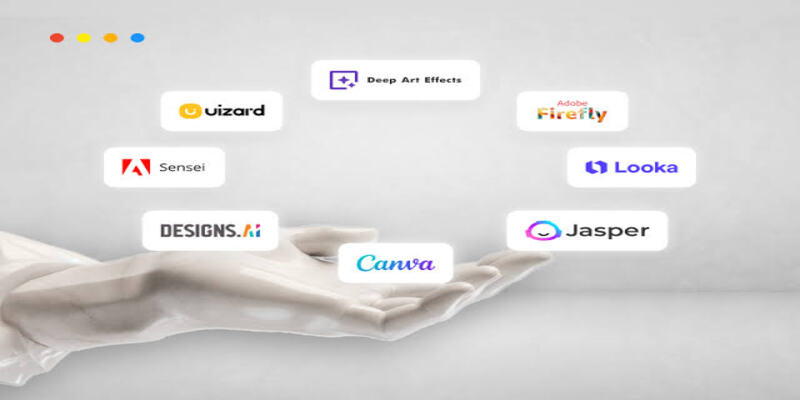
Evaluating the system boundaries of your current AI graphic design tools helps avoid programmatic layout anomalies before assets are sent to production.
READ MORE : Breaking Down the Top AI Automation Software Download Options for PC
The following analysis outlines the primary engineering pros and cons observed during cross-platform performance testing:
- Homogenous Visual Output: Relying too heavily on unadjusted default system suggestions often results in safe, generic structures that look visually identical to competing brand templates.
- Unpredictable Text Rendering: Despite significant neural upgrades, smaller sub-models in some AI graphic design tools still occasionally introduce kerning issues or slight spelling distortions during complex angle transformations.
- Complex Copyright Frameworks: Navigating the intellectual property landscape remains complicated, as data source transparency varies wildly across free open-source models and enterprise suites.
The table below contrasts the distinct structural capabilities of these modern systems against classical, non-automated manual design software options:
| Functional Benchmark | Advanced AI Graphic Design Tools | Legacy Manual Layout Software |
| Grid Reconfiguration | Instantly reformats visual components for varying platforms using predictive padding. | Requires manual dragging, rescaling, and repositioning of independent canvas layers. |
| Asset Localization | Translates embedded text blocks into multiple languages instantly while adjusting font size limits. | Demands manual text swapping, layer locking, and independent font size recalculations. |
| Color Grading Automation | Matches incoming product photo palettes to existing brand guidelines with one button. | Involves complex manual adjustment curves, masking layers, and color sampling pickers. |
| Typography Selection | Recommends contextually relevant font pairs backed by data-driven readability scores. | Relies entirely on manual exploration through local, unranked system font directories. |
Mastering the Sequential Workflow for Professional Automated Asset Generation
Integrating automated engines into your active corporate creative department requires shifting from classic mouse-driven edits to structured, technical prompt management. If a creative director throws chaotic, casual conversational text strings at a rendering engine, the software will make unpredictable layout assumptions that degrade asset uniformity. Professional design deployment depends on setting clear canvas constraints, structural references, and style directions before executing any automated layout code.
By training your team to utilize enterprise AI graphic design tools systematically, you protect your visual pipeline from unexpected scaling anomalies and ensure final exports remain crisp across print and digital displays.
Follow this technical workflow sequence to successfully establish, refine, and deploy automated visual assets across your digital platforms:

- Establish the Core Brand Parameters: Upload your verified SVG logo vector coordinates, exact hex color codes, and authorized corporate typography files into the master asset kit directory.
- Define Spatial and Layout Constraints: Select your specific delivery format—such as a horizontal web banner or vertical mobile video grid—to set the bounding frame boxes for the automated layout compiler.
- Construct a Structurally Layered Brief: Input descriptive prompts that specify clear layout compositions, focal points, and text hierarchies instead of relying on generic style descriptions.
- Execute Multimodal Reference Blending: Upload flat layout wireframes or compositional drawings alongside your text specifications to guide the spatial hierarchy directly.
- Isolate and Refine Section Errors: Utilize inline canvas editing brushes to isolate specific regional text or background mistakes, swapping out individual elements without regenerating the entire asset composition.
- Convert Outputs to Scalable Formats: Run the final raster output through an integrated vector converter to transform pixel layouts into fully scalable SVG graphics suitable for large-format printing.
Achieving Production Security and Creative Balance in the Automated Era
Transitioning a traditional design studio into an automated production powerhouse requires finding the ideal balance between human ingenuity and algorithmic processing speed. Automated engines should operate primarily as highly technical assistants, handling high-volume adjustments while leaving deep brand storytelling and conceptual strategy to human creative directors. Trying to automate your entire creative identity leads directly to repetitive, uninspired marketing materials that fail to capture consumer attention.
By treating automated asset management as a precise engineering discipline, modern agencies can eliminate time-consuming production bottlenecks and focus entirely on high-impact creative strategies. Standardizing layout parameters, using clean vector baselines, and maintaining strict human oversight ensures that your deployment of premium AI graphic design tools delivers exceptional commercial value while drastically shortening your time-to-market globally.
SOURCE: https://bestaitools.reviews
CATEGORY: AI Design